|
Friday December 26, 2008
’Twas the year-end yuletide break ( December 26-31 ), my late wife had traveled earlier to Kuwait to celebrate the holidays with my son, while my other children had their own out-of-town plans.
Faced with the prospect of being home alone for almost a week with nothing much to do, I thought about putting together a 3-day itinerary that would let me visit both Ilocos Norte and Ilocos Sur, two provinces I had always wanted to discover and explore.
With a little help from the Internet and some documents I have saved from earlier travel research, I prepared a brief outline of what I wanted to see and do within the limited time frame I have allotted.
And here is what I came up with:
Day 0: Departure
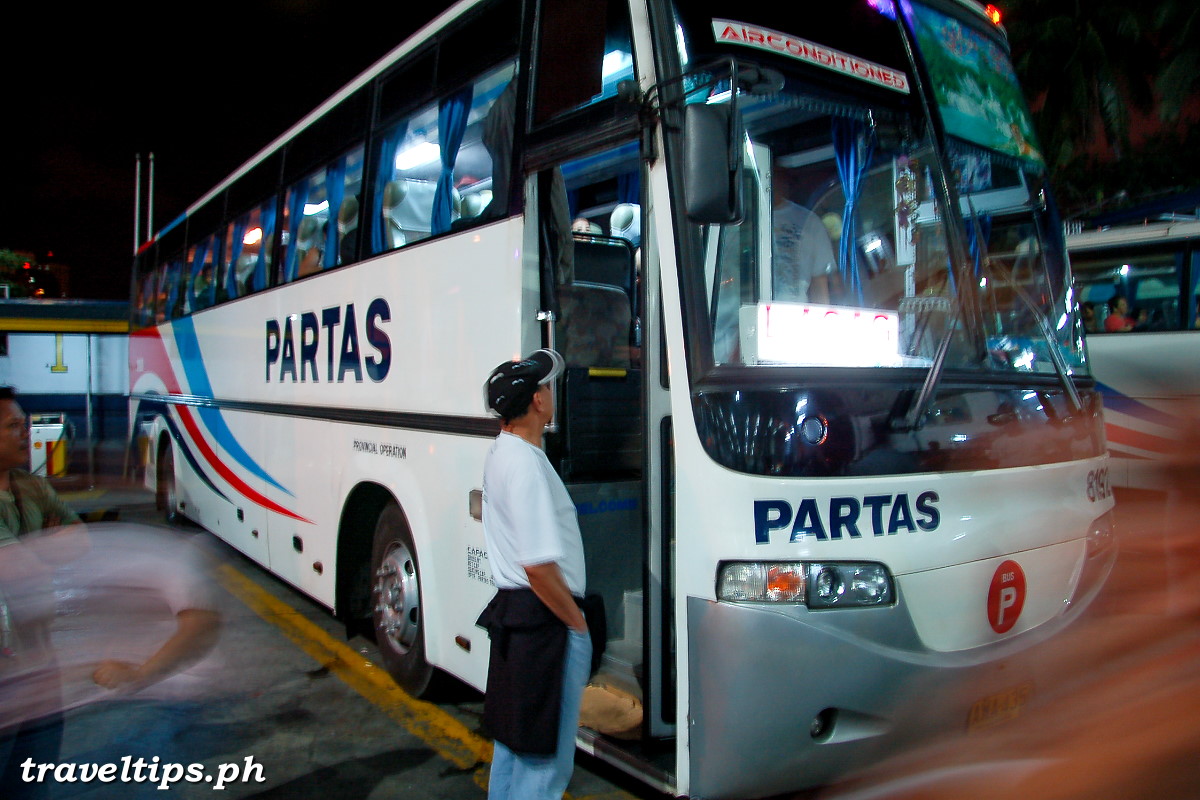 | Overnight Trip to Laoag
An overnight land trip from Metro Manila to Laoag on board a Partas bus, covering roughly 480 kilometers. |
Day 1: Ilocos Norte: Laoag, Burgos, Bangui, Pagudpud, Laoag
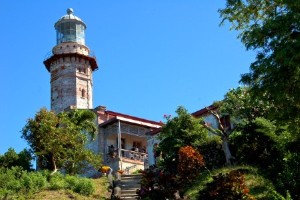 | Cape Bojeador Lighthouse
A prominent cultural heritage site that stands as the highest-elevated active Spanish-era lighthouse in the Philippines, perched 160 meters above sea level on Vigia de Nagpartian Hill. |
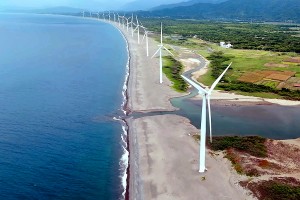 | Bangui Windmills
An iconic oceanfront wind farm featuring massive turbines lined up along the coast, recognized as the first commercial wind farm in Southeast Asia. |
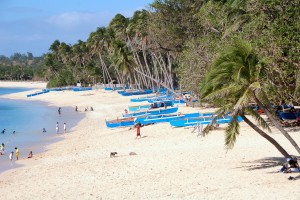 | Saud Beach
Widely celebrated as the “Boracay of the North” due to its expansive stretch of pristine, powdery white sand and crystal-clear turquoise waters. |
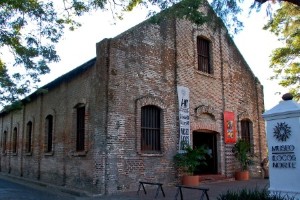 | Museo Ilocos Norte
A museum showcasing local ethnic artifacts, traditional Ilocano clothing, and heritage exhibits. |
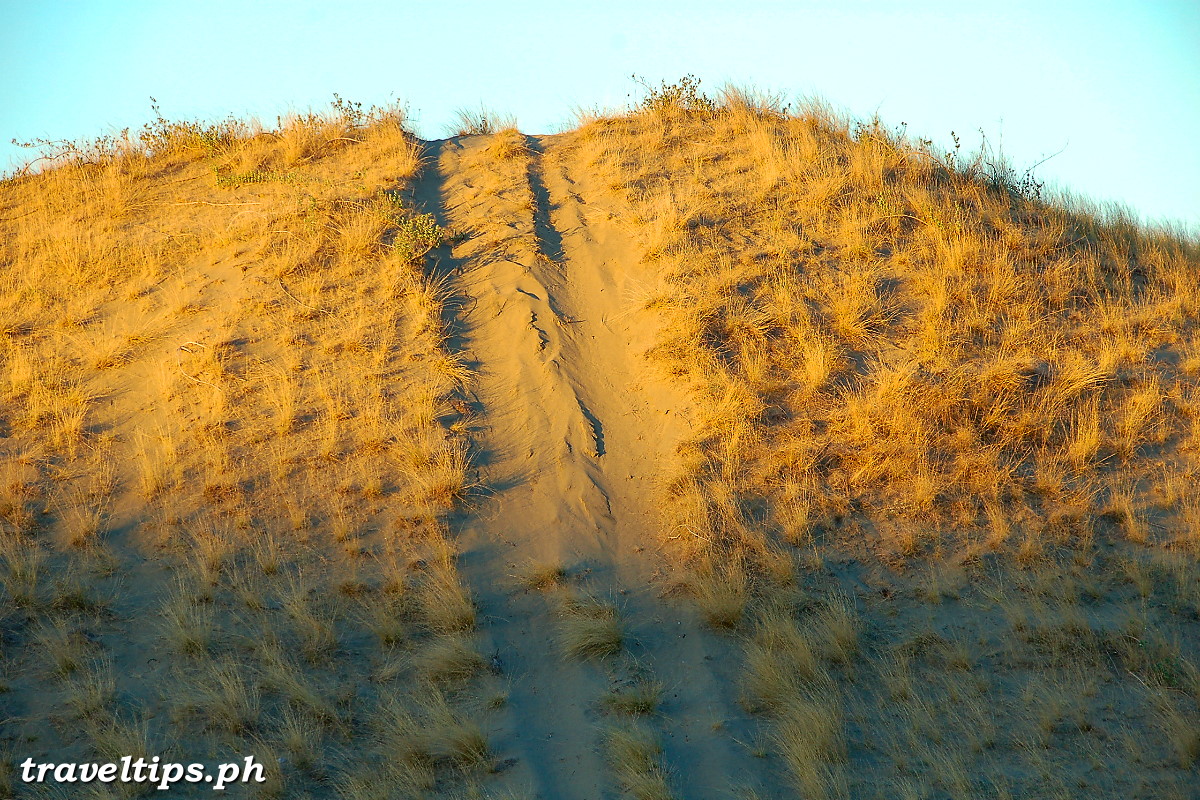 | La Paz Sand Dunes
An expansive 85-square-kilometer coastal desert and beach ecosystem featuring rolling sand ridges ranging from 10 to 30 meters high, terminating directly where the desert meets the West Philippine Sea. |
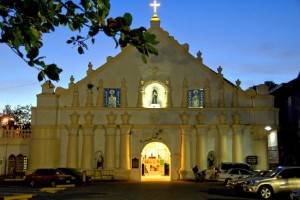 | Laoag Cathedral
St. William’s Cathedral, a foundational 17th-century landmark and the central seat of the Roman Catholic Diocese of Laoag. |
Day 2 AM: Ilocos Norte: Sarrat, Batac, Paoay
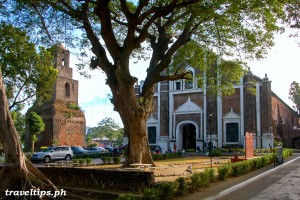 | Santa Monica Church
An exceptional 18th-century landmark recognized as the largest church in the Ilocos Region, famous for its beautifully preserved, sprawling red brick architecture. |
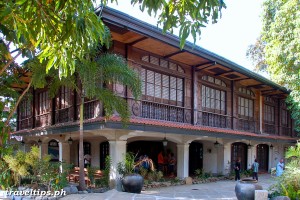 | Marcos Family Ancestral Mansion
A historic museum that serves as a visual walkthrough chronicling the early life, military background, and political career of the late former President Ferdinand Marcos Sr. |
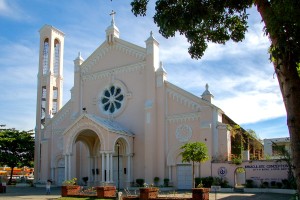 | Batac Church
Immaculate Conception Parish Church, an important 16th-century sanctuary founded by Augustinian friars in 1587. It is the second oldest Augustinian foundation in Ilocos Norte. |
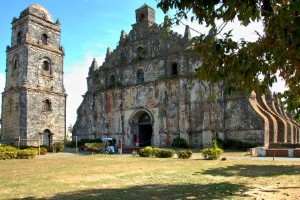 | Paoay Church
A UNESCO World Heritage site built in 1710. Famous for its massive, earthquake-proof Baroque-style architecture and prominent side buttresses. |
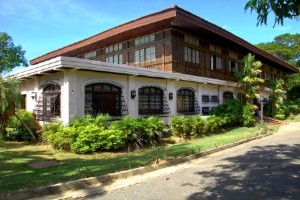 | Malacañang Ti Amianan
A grand, lakeside two-story mansion overlooking Paoay Lake. It serves as a presidential museum displaying historical exhibits and memorabilia. |
Day 2 Noon: Travel to Vigan, Ilocos Sur
Day 2 PM: Ilocos Sur: Vigan
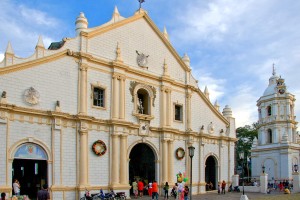 | Vigan Cathedral
St. Paul’s Metropolitan Cathedral, a landmark 18th-century church that serves as the seat of the Roman Catholic Archdiocese of Nueva Segovia and is a core centerpiece of the UNESCO World Heritage Historic Town of Vigan. |
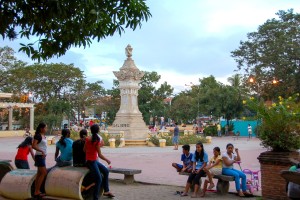 | Plaza Burgos
A historic public square situated right beside the Vigan Cathedral’s detached bell tower, this vibrant plaza serves as the ultimate local street food hub and a community gathering point in the heart of the city’s heritage zone. |
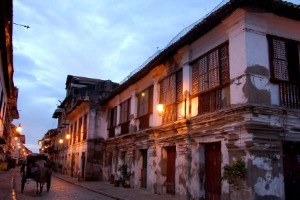 | Calle Crisologo
The crown jewel of Vigan City, a world-renowned, four-block cobblestone street lined with beautifully preserved 15th to 19th-century Spanish colonial houses, a core highlight of Vigan’s UNESCO World Heritage designation. |
Day 3 AM: Ilocos Sur: Vigan, Calesa Tour (Bantay, Caoayan)
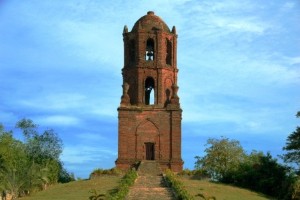 | Bantay Church
The Parish of Saint Augustine of Hippo is one of the oldest surviving religious complexes in the Ilocos region, established by Augustinian friars in 1590. |
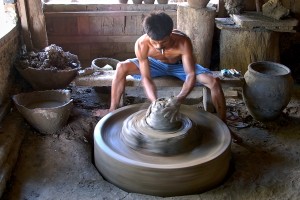 | Pagburnayan
The famous historical district dedicated to the centuries-old art of crafting Burnay jars. These heavy, unglazed clay storage vessels are prized for their extreme durability, achieved using a unique Chinese-Ilocano manufacturing technique. |
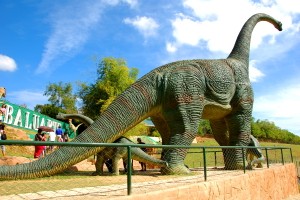 | Baluarte
The Baluarte Resort and Mini Zoo is a massive, 120-hectare interactive wildlife sanctuary, a private estate owned by Luis “Chavit” Singson, who opened his personal property and exotic animal collection to the public. |
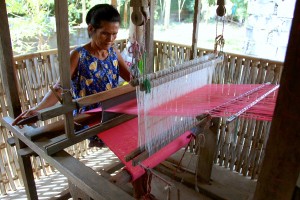 | Abel Weaving
A firsthand look at a local weaving Inabel—the heavy, beautifully patterned traditional Ilocano textile meticulously crafted on ancient wooden looms. |
Day 3 PM: Ilocos Sur: Vigan
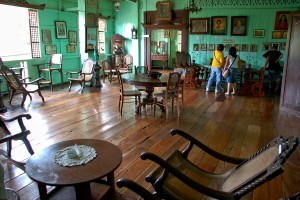 | Crisologo Museum
An archival ancestral home turned museum that showcases the political legacy, antique furnishings, and extensive personal artifacts of the prominent Crisologo political dynasty. |
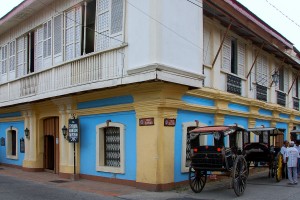 | Syquia Mansion Museum
A majestic 19th-century ancestral home built in 1830, housing the extensive presidential memorabilia of former Philippine President Elpidio Quirino, who married into the affluent Syquia family. |
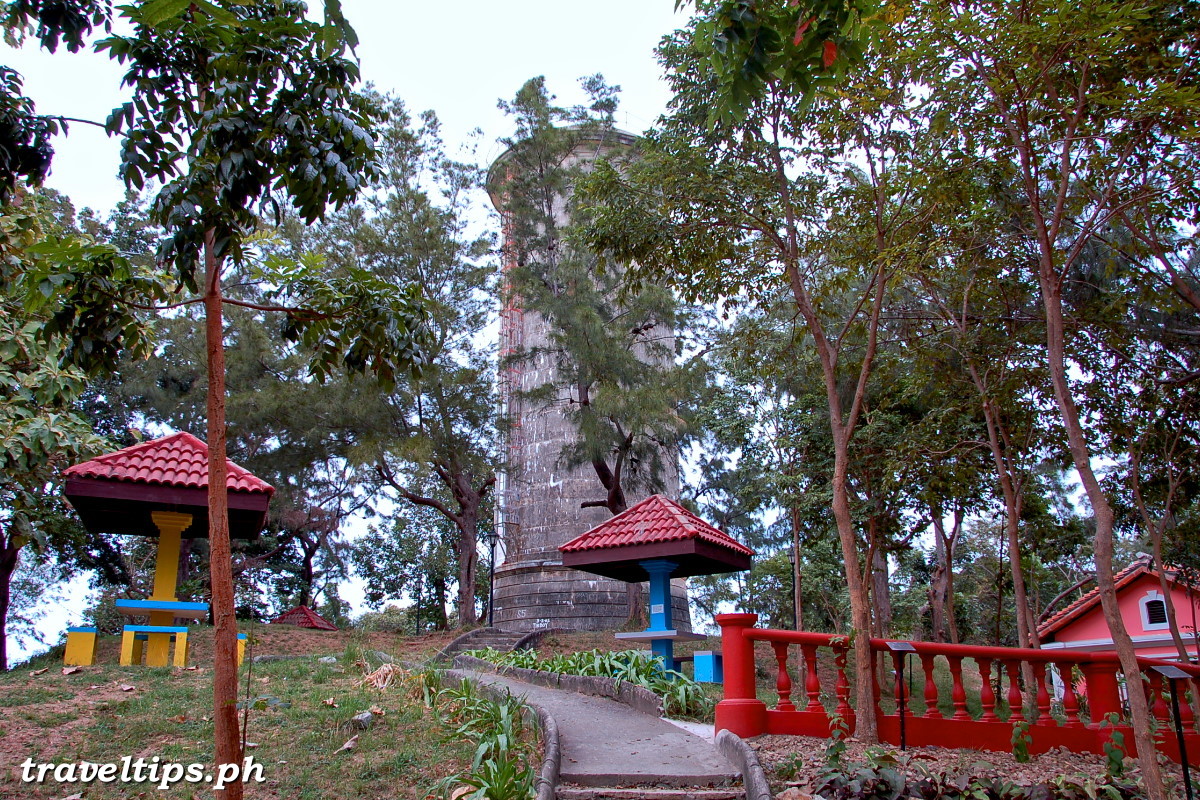 | Mira Hills
An ecological hill park that originally served as a quiet, tree-shaded public park, but now has become the site of the brand-new ONE Mira Hills Waterpark. |
After finalizing my itinerary, I still needed to ensure I have a place to stay upon arrival, so I pre-booked my accommodations for both Laoag and Vigan ahead of time. After some cross-referencing online, I found two lodging options that well suited my needs.
In Laoag, I chose Hotel Tiffany due to its reasonable price and proximity to several of Laoag’s attractions.
Likewise, in Vigan, I chose Grandpa’s Inn for the same reasons: budget-friendly and conveniently located near most of Vigan’s main attractions.
Planning ahead is essential when embarking on a trip involving multiple stops, especially when time is a constraint.
Otherwise, you risk wasting much of your valuable time on-site figuring out what happens next.
With this list as my roadmap, I set out on my journey, hoping I had made the right choices in the right sequence. In the end, the trip proceeded mostly as intended, save for a few minor glitches.
|