|
Sunday December 28, 2008
Paoay is a historic coastal municipality in Ilocos Norte, globally celebrated for its majestic Spanish-colonial architecture, dramatic shifting sand landscapes, and mystical inland lakes.
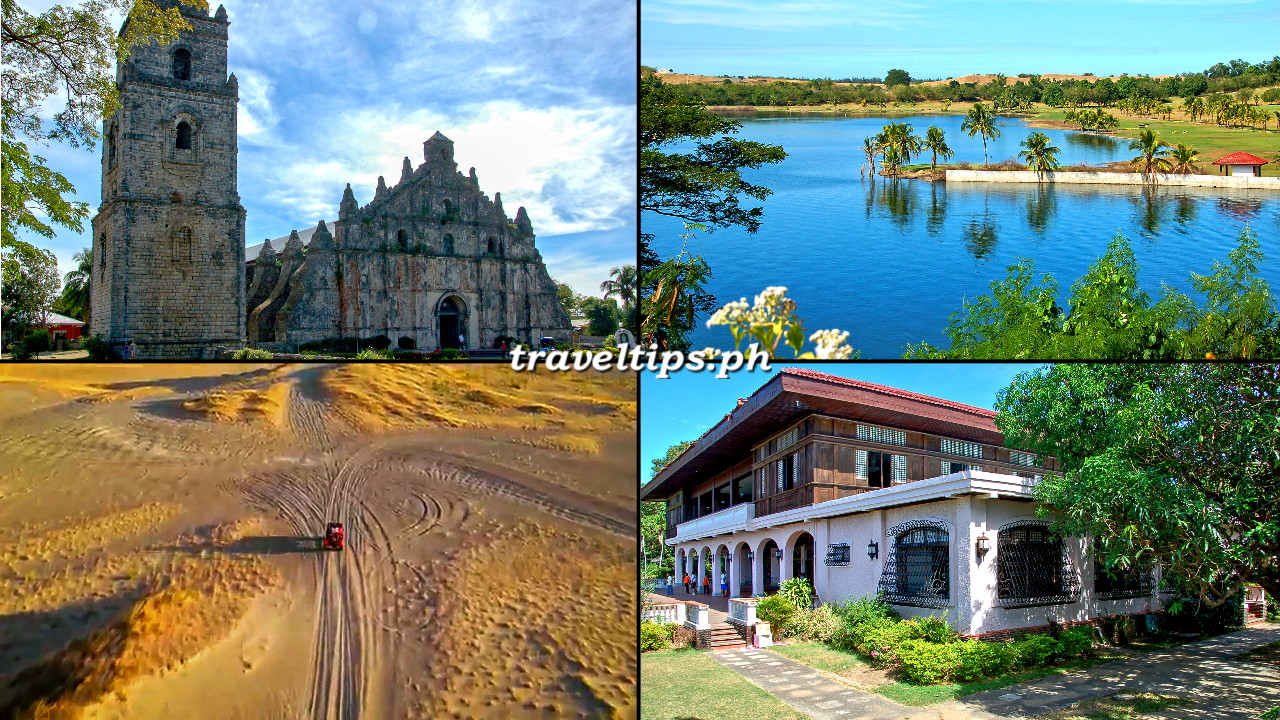 |
| Clockwise: San Agustin Church, Paoay Lake, Malacañang of the North, Paoay Sand Dunes Adventures. |
Paoay is one of the most culturally significant destinations in northern Luzon, whose main cultural and historical attractions include:
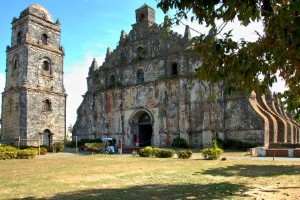 | Paoay Church (Saint Augustine Church)
This UNESCO World Heritage Site stands as one of the most famous examples of Spanish colonial “Earthquake Baroque” architecture in the country. |
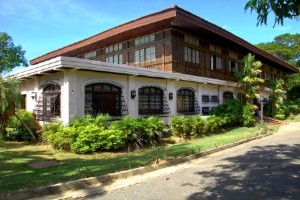 | Malacañang of the North
Perched on the eastern shore of Paoay Lake, this grand two-story mansion served as the official northern residence for the Marcos family. |
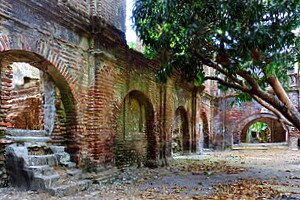 | Paoay Convent Ruins
Situated right near the church, these historic coral stone structures represent the master craftsmanship of early Ilocano carpenters. |
 | Paoay Sand Dunes Adventures
Located in Barangay Suba, these massive coastal sand fields offer a striking, desert-like backdrop against the sea. |
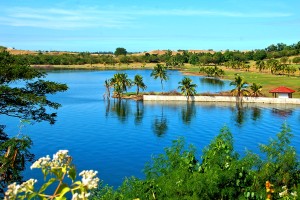 | Paoay Lake National Park
Originally known as Lago de Nanguyudan, this freshwater park covers a tranquil expanse steeped in local folklore. |
Again, due to time constraints, I had planned to visit just the Paoay Church and the Malacañang of the North, with the hope of exploring the rest on a subsequent journey.
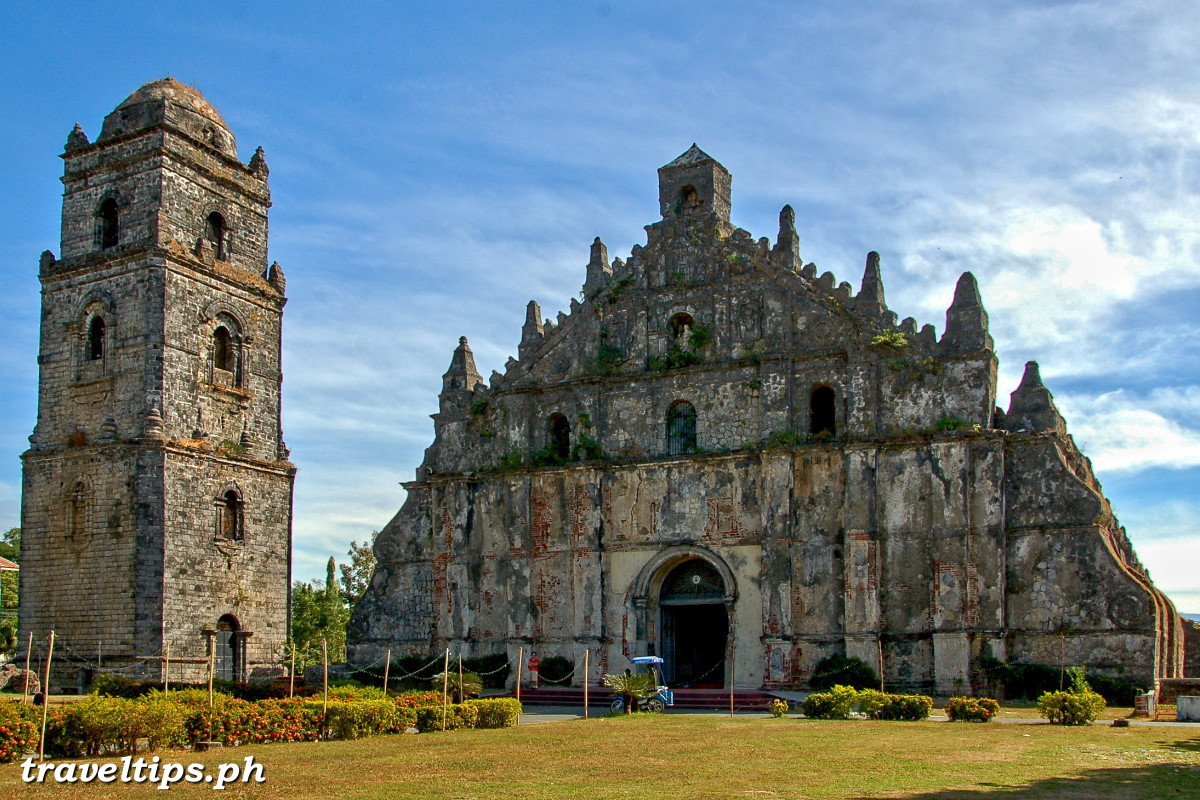 |
| San Agustin Church, or the Paoay Church, a centuries-old place of worship with a distinctively weathered facade inscribed as a UNESCO World Heritage Site. |
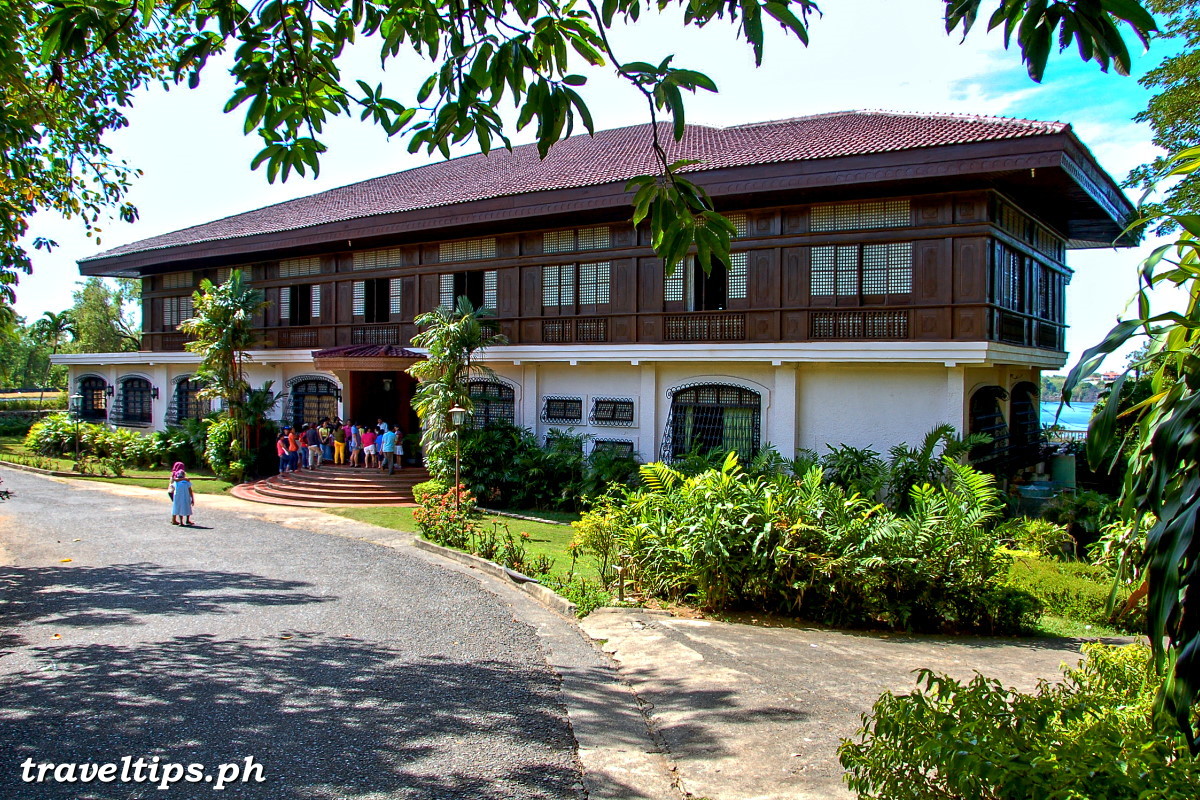 |
| Malacañang ti Amianan, a historical two-story lakeside mansion and presidential museum that served as the official residence of the Marcos family in the northern Philippines. |
To be continued ...
|