|
Sunday January 04, 2026
Clark Safari and Adventure Park is a 40-hectare wildlife sanctuary and modern zoo that serves as an educational and family-friendly destination housing over 1,500 animals.
Within its expansive grounds, guests can experience a diverse range of wildlife, making it an ideal place for learning and fun for all ages.
Clark Safari and Adventure Park is open from 8:00am to 6:00pm daily, including holidays. Last entry is strictly enforced at 4:00pm.
Arriving early is strongly advised, as the intense midday heat can make traversing the open concrete paths exhausting, and animals tend to be more active in the morning.
Bring sun protection items like umbrellas, caps, and sunglasses, and make sure to pack ample drinking water to keep yourself hydrated.
Bring your own wet wipes and hand sanitizer, or a small bottle of liquid soap, as the soap dispensers in the sink stations near the animal encounter zones can occasionally run out during busy weekends.
The park facilities are fully stroller and wheelchair-accessible.
Tickets can be purchased on site, directly at the gate ticketing booths.
- Adults: ₱599
- Children under 4 feet: ₱499
- Kids 2ft and below: Free
Alternatively, you can skip the lines by booking online through the following platforms.
Senior citizens and PWDs with valid IDs are eligible for a 20% discount, but are only applicable to regular walk-in rates purchased at the park gates.
Additional experiences such as tiger cub feeding, pony rides, and photo ops with selected animals are priced separately.
- Tiger Cub Feeding and Photo Ops: ₱500 per ticket. Applies to an entire group or family taking a picture together and includes one printed souvenir photo.
- Guided Horseback Ride: ₱399 per person. Covers a single scenic round within the designated trail area of the park. It is paid on a per-round basis rather than a timed slot.
- Petting Zoo Feeding Costs:
- Standard Animal Feed: ₱50 per bundle/packet. You can use this to feed domestic animals like goats, sheep, rabbits, chickens, and tortoises.
- Premium Bear Feeding: ₱100 if you want to feed bananas to the resident bears during their designated morning or afternoon meal windows.
- DIY Photo Ops Costs (Using your own smartphone or camera):
- Horse stationary photo: ₱150 per person. A handler will assist in mounting the rider to the horse.
- Birds encounter: ₱50 per person. A handler will let the birds perch on your hands, shoulders, or arms.
- Albino python encounter: ₱50 per person. A handler will safely place the python (usually a large Albino Burmese Python) around your shoulders.
Clark Safari also offers a VIP Tour Experience onboard a tram that costs ₱4,500 per vehicle for up to 10 guests, and ₱5,500 per vehicle for up to 15 guests.
This experience includes a spacious open-air tram vehicle, accompanied by a knowledgeable tour guide who will lead you through the exhibits and share engaging educational stories. The tour is structured to last between 1.5 to 2 hours, allowing you to comfortably explore all 23 hectares.
The park features a simple, sequential layout that enables guests to easily navigate through all the attractions and enjoy the activities in an orderly loop.
Exploring the route fully on foot takes about 2 to 3 hours at a relaxed pace. The layout is mostly linear, ensuring you do not miss any exhibits if you follow the path from start to finish.
The entrance pavilion serves as the main welcome hub of Clark Safari and Adventure Park, designed to handle ticketing, security checking, and guest orientation before you enter the actual wildlife loops.
Large printed directory boards are prominently displayed here to help you orient yourself before starting the loop.
This is also where guests can inquire about the add-on activities, feeding sessions schedules, and tram tour availability.
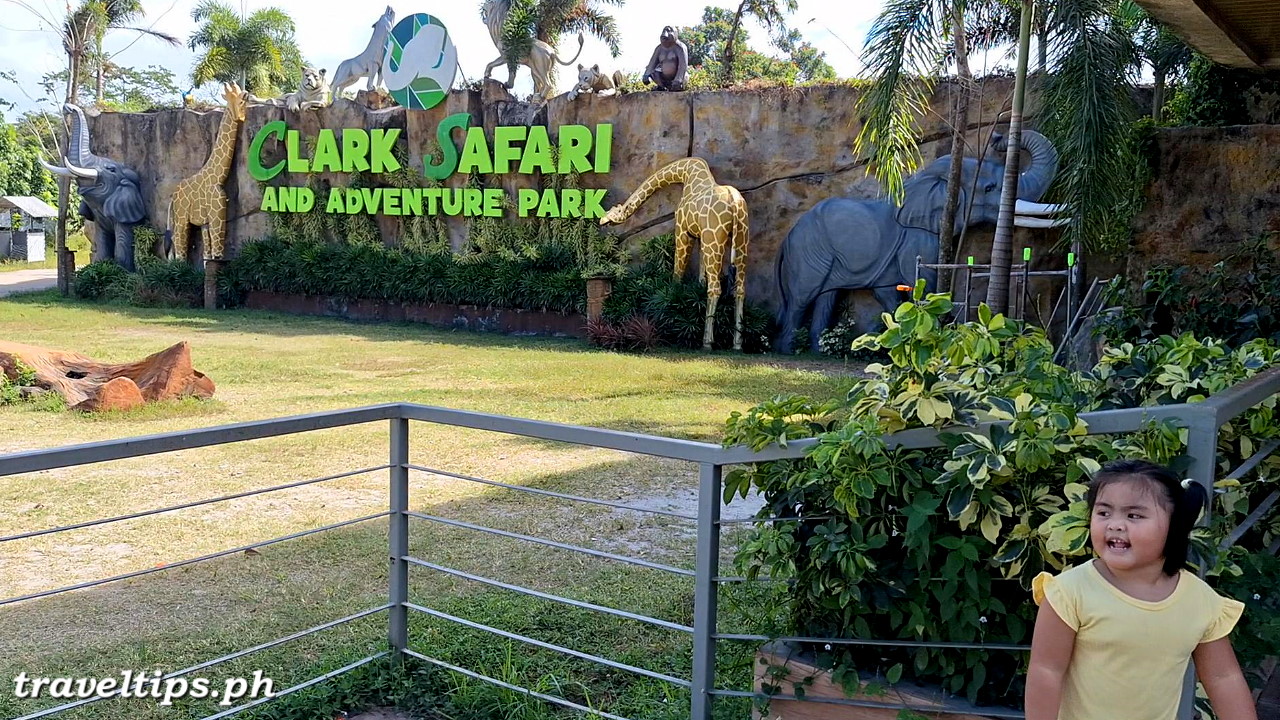
Across this lobby is a welcome display of large lifelike animal sculptures.
On the left is the starting area of the loop, which leads to an open-air courtyard featuring a scenic “lagoon” decorated with massive, colorful, life-sized sculptures of wild creatures such as elephants, dinosaurs, and giraffes.
Reptile Kingdom is the first pavilion you enter after passing the main entrance lagoon. The following animals can be seen inside this zone:
Major Reptiles and Snakes
- Albino Burmese Pythons: Massive, striking yellow-and-white constrictors. This is also where the popular ₱50 DIY snake photo op takes place.
- Reticulated Pythons: Giant native snakes showcasing their complex, net-like skin patterns.
- Green Iguanas and Red Iguanas: Large, prehistoric-looking lizards resting on branches inside glass terrariums.
- Bearded Dragons: Small, docile desert lizards known for their spiky chin “beards”.
- Monitor Lizards: Ancient predators known for their distinctively long necks, powerful tails, and excellent hunting capabilities.
Crocodilians and Turtles
- Estuarine Crocodiles (Saltwater Crocodiles): Large, powerful aquatic predators resting in secure water enclosures.
- Alligators: Smaller crocodilians housed safely for close-up viewing.
- Sulcata Tortoises: Massive, slow-moving land tortoises that you can watch up close.
Rin’s Petting Farm is an interactive, family-friendly section located right after the Reptile Kingdom, designed specifically for guests to touch and feed docile animals. The following animals can be seen and interacted with in this area:
Main Farm Animals
- Domestic Goats and Sheep: Very eager and friendly animals that will walk right up to the fences to greet visitors.
- Miniature Pigs: Small, active pigs that roam around their designated pens.
- Miniature Horses: A distinct breed characterized by their incredibly small size.
Small Furry Animals
- Rabbits: Various breeds of fluffy rabbits housed in specialized enclosures where kids can watch them hop around.
- Guinea Pigs: Small, social rodents making quiet squeaking sounds as they interact with each other.
Birds and Fowl
- Ducks and Geese: Swimming around small water features or walking along the edge of the pathways.
- Fancy Chickens: Unique, ornamental chicken breeds displaying distinct feather patterns.
Bear Kingdom is the dedicated enclosure area showcasing the zoo’s resident large bear species, located right after the petting farm. The following animals can be seen within this zone:
Featured Bear Species
- Brown Bears: The primary highlight of this zone, featuring large, shaggy brown bears resting or playing around their enclosure.
- Black Bears: Agile, dark-furred bears that share the spotlight in the Bear Kingdom exhibits.
The Primate Zone is a lively section featuring a mix of active Old World monkeys and unique tree-dwelling primates. The following animals can be seen in this zone:
Featured Primates
- Hamadryas Baboons: Highly active and vocal primates known for their complex social behaviors and striking silver-gray coats (males).
- Patas Monkeys: Ground-dwelling monkeys native to Africa, easily recognized by their slender bodies, reddish fur, and incredible running speed.
- Philippine Long-Tailed Macaques: Native primates rescued and turned over to the park by the DENR Pampanga.
- Ring-Tailed Lemurs: Distinctive primates with long, black-and-white banded tails and expressive eyes.
Kingdom Panthera is the main attraction at Clark Safari and Adventure Park, dedicated primarily to the zoo’s big cats and large predators. The following animals can be seen within this zone:
Major Big Cats
- Bengal Tigers: The classic orange-and-black striped big cats, which are a major focal point of the zoo’s conservation and protection efforts.
- White Tigers: Rare, striking white-furred tigers. The park also frequently houses White Tiger cubs in this section.
- Asiatic Lions and White Lions: You can see both regular lions and majestic white lions resting within their rocky enclosures.
- Jaguars and Leopards: Sleek, spotted powerful predators showcasing their climbing habitats.
- Liger: A rare hybrid cross between a male lion and a female tiger.
Smaller Wild Felines and Wild Canines
- Caracals and Serval Cats: Medium-sized wild cats known for their long legs, large ears, and incredible jumping abilities.
- Striped Hyenas: Unique, nocturnal scavengers easily recognized by their sloping backs and striped coats.
- Black-Backed Jackals: Small, fox-like canines native to Africa.
Directly following or adjacent to the predator loop is the Bird Interaction Area, where the tree layout transitions to open-air perches. This is where you can do the ₱50 bird photo op or feed the parrots.
If you continue heading upward along the main path past the animals, you will reach the ascending trail that leads to the Forest Park. This is a rocky, elevated area at the back of the property that offers panoramic views of the surrounding Clark hills.
After crossing the elevated Forest Park overlook, the final leg of the walking loop guides you back toward the exit through these areas.
Large Herbivore and Deer Enclosures
As the path descends from the hilltop, you will walk past open-air pastures holding the park’s larger grazing animals:
- Deer: A spacious wooded area housing various deer species.
- Ostriches and Pelicans: Large flightless birds and water fowl sharing the nearby grasslands.
The trail loops back toward the front of the park, ending at the welcome display of animal sculptures from where we started.
Banua Restaurant and Shop
The path naturally leads back into the main pavilion, where the restaurant and souvenir shop are located.
The Banua Restaurant offers al-fresco dining ideal for guests looking to enjoy a quick meal after exploring the park.
The Zoo Shop serves as the final indoor stop, filled with stuffed animals, shirts, and various souvenirs to check out before leaving.
In here also is the photo shop where you can pay for any photos captured by park photographers during your animal interactions.
Shortly after, we headed back to the front entrance parking lot where our journey began.
 |
| Last chance for a classic memento, a reminder of a meaningful experience from days gone by. |
In conclusion, a visit to Clark Safari is a delightful way to enrich your Clark experience. It presents a unique opportunity to encounter exotic animals up close, yet the real treasure lies in the cherished memories forged while exploring the beautiful grounds with loved ones.
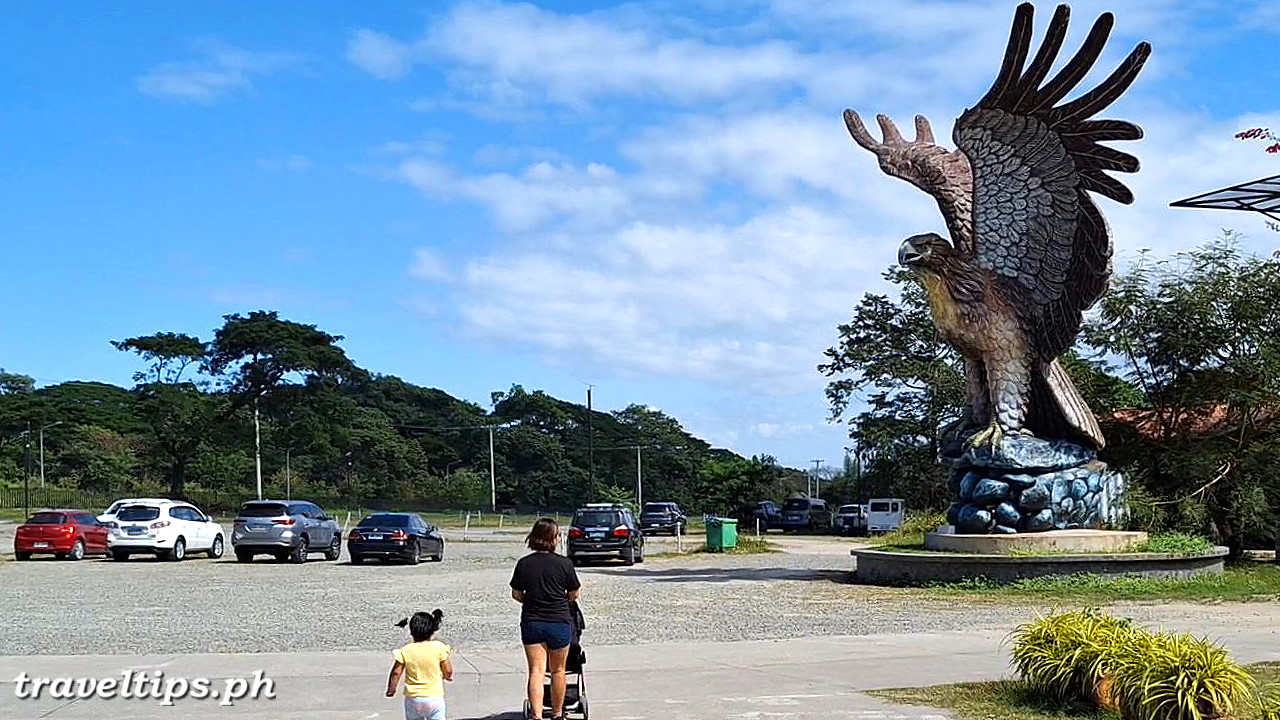 |
| Good bye for now, Clark Safari. Hope to see you again soon. |
|