|
Masbate is a remarkable place offering a unique fusion of ranching traditions and stunning natural landscapes, characterized by vast grasslands, rolling hills, pristine beaches, and vibrant marine sanctuaries.
| A giant manta ray at Manta Bowl Shoal, Ticao Pass, Masbate |
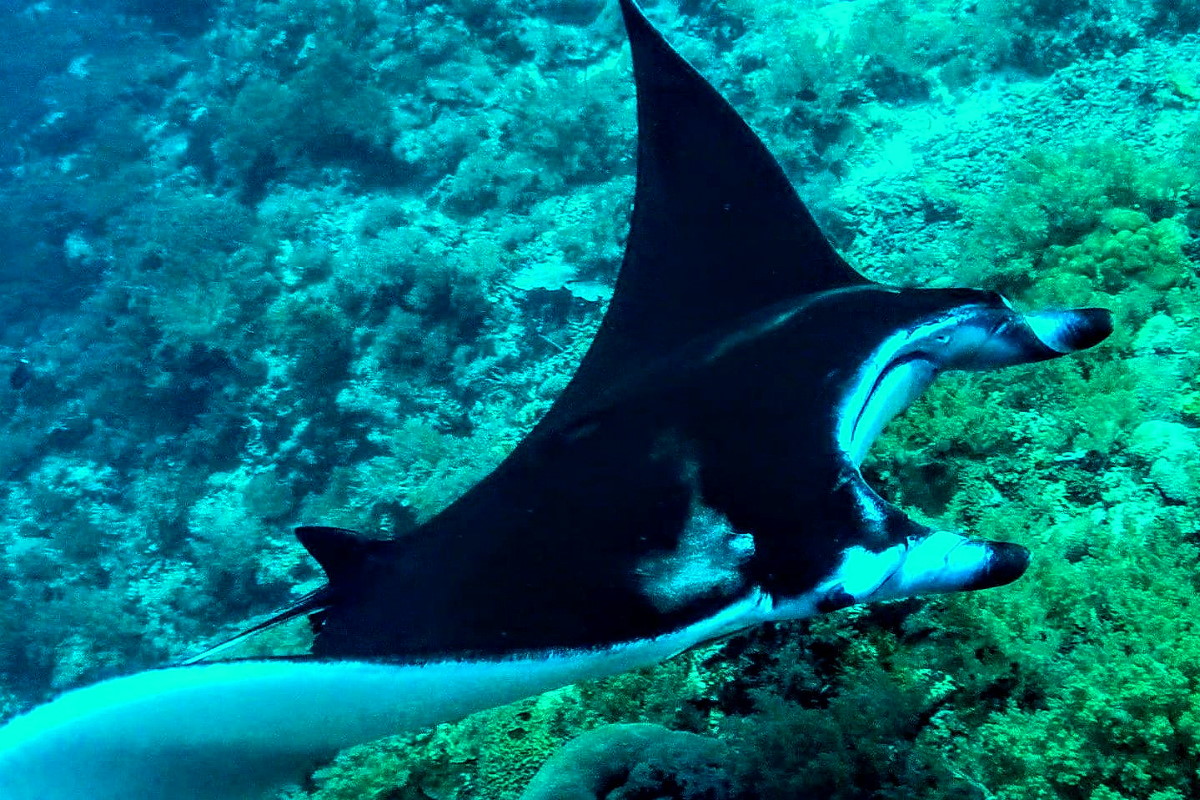 |
Photo Credit: divebooker.com Source: divebooker.com
|
Masbate is one of six provinces that comprise the Bicol Region ( Region V ).
The province is divided into twenty (20) municipalities and one city, Masbate City, which serves as the capital and the primary gateway to and from the rest of the country.
Masbate is an archipelago composed of a wedge-shaped mainland (Masbate), two major islands (Burias and Ticao), along with fourteen (14) smaller islands, each presenting distinct attractions—from white sandy beaches and diving spots to rolling hills and rustic rural landscapes.
Below is a curated list of things to see and do arranged by island group and municipality.
Masbate Island
- Aroroy
- Bugui Point Lighthouse: A historic Spanish-era lighthouse, one of the 24 first-order lighthouses originally planned by Spain to secure maritime trade across the archipelago.
- Kalanay Cave: One of the Philippines’ most significant prehistoric sites. Excavations in the 1950s discovered jar burials, human remains, and pottery dating back over 2,300 years. Believed to have been inhabited by the Kalanay people, the early inhabitants of the province.
- Tinigban Beach: Often compared to Boracay for its wide expanse of powdery white sand and clear turquoise waters, it remains a peaceful and largely undisturbed alternative.
- Baleno:
- Busay de Gracia Falls: A scenic multi-tiered waterfall surrounded by lush forest, dropping to a natural pool. Requires a challenging yet rewarding 15-20 minute trek to reach the falls.
- Baleno Fluvial Procession: A major highlight of the town’s religious festivities, held primarily in honor of its patroness, Nuestra Señora del Pilar. Occurs during the Patronal Town Fiesta week, specifically around October 9–11.
- Balud:
- Palani White Beach: Long stretch of fine white sand, popular for swimming and picnics.
- Cataingan:
- Matayum Lagoon: A massive man-made attraction featuring several lifestyle and recreational facilities including a restaurant, a watersports complex, ATV trails, and a floating restaurant.
- Dimasalang
- Porta Vega Beach: A secluded hidden gem, known for its crystal-clear turquoise waters and a long stretch of white sand lined with neatly arranged rows of dwarf coconut trees. The shallow waters are home to sea urchins, starfish, and schools of various fish, making it a natural spot for snorkeling.
- Jamorawon Pink Beach: Celebrated for its unique pinkish-tinted sand, which is a natural mixture of fine white sand and crushed red organ-pipe coral fragments.
- Mandaon:
- Bat-Ongan Caves: A 150-foot tall, mole-shaped limestone formation, a significant geological and historical landmark known for its multi-level chambers, prehistoric burial artifacts, and a steep rock trail leading to a 360-degree panoramic summit.
- Masbate City
- Buntod Reef Marine Sanctuary and Sandbar: The city’s premier eco-tourism destination. Spanning 250 hectares, it is a protected marine area known for its powdery white sandbar, vibrant coral reefs, and dense mangrove forests.
- Masbate Cathedral (San Antonio de Padua Parish): Historic Spanish-era church in the city center. Founded in 1578 by Spanish missionaries, it is one of the oldest religious foundations in the region.
- Pawa Mangrove Park: A 300-hectare nature sanctuary, known for its extensive bamboo and concrete boardwalks through mangrove forests. Recognized as the best of its kind in Bicol, this eco-tourism site offers a peaceful, off-the-beaten-path experience for nature lovers.
- Rodeo Masbateño Festival: The mother of all festivals in Masbate, celebrating the province’s rich cattle industry and ranching heritage. An annual week-long event held every April, the festival features a variety of sporting events, including a grand rodeo parade, an agro-livestock fair, and competitions in bull riding, steer wrestling, and other traditional Filipino games.
- Mobo
- Mount Mayong Payong: A popular viewpoint famous for its panoramic views of Masbate City, the Sibuyan Sea, and the Buntod Reef Marine Sanctuary. Best visited during sunrise or sunset for breathtaking sky colors.
- Licuson Beach: A secluded beach known for its clean, turquoise waters and peaceful atmosphere. It is a popular spot for travelers looking for a free, less-crowded alternative to the more commercialized resorts.
- Palanas
- Kalanay Falls: A hidden natural attraction nestled within a peaceful landscape of lush trees and local birdlife. Often visited for its cool, refreshing waters and the quiet, off-the-beaten-path experience it provides.
- Placer
- Nagarao Island: Known for its pristine white sand beaches and three scenic sandbars, surrounded by virgin coral reefs filled with colorful marine life and underwater plants, ideal for snorkeling.
- Uson
- Maglihi Falls: A natural waterfall offering a refreshing freshwater escape characterized by cool, clear waters and lush surrounding greenery.
- Morocborocan Beach: A serene, white-sand coastal destination prized for its natural, uncrowded atmosphere.
- Ilihan Cave: A prominent natural and archaeological site perched on a hill, offering a combination of cave exploration and a panoramic view of the surrounding countryside and the sea.
- Baluarte: A significant historical and religious landmark primarily known for a miraculous rock sculpture of the Blessed Virgin Mary.
- Mount Uac: The highest point in the municipality, offering a panoramic view of the surrounding rolling hills, the coastline of Uson and Mobo, and on clear days, the distant Ticao Island.
- Lake Calero: A serene freshwater lake located just east of the town center. Offers a quiet, rural inland experience for those looking to explore the town’s natural landscape.
Burias Island
- San Pascual
- Animasola Island: A stunning, solitary destination known as the “Lonely Soul” (from the Latin Anima Sola). Celebrated for its majestic, layered sedimentary rock formations that resemble a natural monument rising from turquoise waters.
- Sombrero Island: A small island with a unique hill that resembles a giant brimmed hat poking out of the sea, ideal for snorkeling. Has beachfront cottages and open areas for pitching tents.
- Claveria
- Underwater Cave: A cave with an entrance that is undersea. Inside can be found well-sealed human caskets carved out of solid wood. Believed to be 500 years old, these caskets still contain human remains. Each casket measures 24 inches in length and 12 inches in width.
- Halea Nature Park: A protected marine sanctuary famous for its crystal-clear turquoise waters with vibrant coral reefs.
- Mababoy Island: Known for its crystal-clear turquoise waters and dramatic limestone cliffs, ideal for those seeking a raw tropical experience.
Ticao Island
- Batuan
- Bongsanglay Natural Park: A nature park spanning over 240 hectares of lush mangrove forests, brackish river systems, and white sand beaches, promises visitors an amazing adventure experience.
- Monreal
- Catandayagan Falls: One of the most beautiful the province has to offer. A dramatic waterfall plunging directly into the sea. Its water cascades from 60 feet down to its base, where multi-colored fishes cavort.
- Burubangkaso Rock Formation: A striking natural wonder located on a small islet, known for its unique, slab-like boulders that look like a stack of books or giant dominoes tilted to one side.
- San Jacinto
- Manta Bowl Shoal: An 84-hectare underwater seamount that serves as a vital cleaning and feeding station where majestic manta rays and seasonal whale sharks gather to feed on plankton-rich waters.
- Lapus-Lapus Green Lagoon: A hidden emerald-water sanctuary famous for its narrow, high-walled limestone passage that opens into a tranquil, crystalline lagoon.
Cattle ranching is the hallmark of the province and serves as the main source of livelihood. Often dubbed the “Rodeo Capital of the Philippines,” the province hosts the annual Rodeo Masbateño Festival, a week-long celebration commemorating its rich cattle-raising legacy.
Masbate, though, is more than just about cattle and rodeos. The waters off the northwest coast of Ticao Island are recognized as the manta ray capital of the country, featuring an underwater seamount that serves as a cleaning station, attracting large populations of reef and oceanic manta rays.
The surrounding islands feature secluded beaches and coves, hidden waterfalls and lagoons, seldom visited caves, and lush verdant forests eager to be explored.
Destinations in Masbate
|